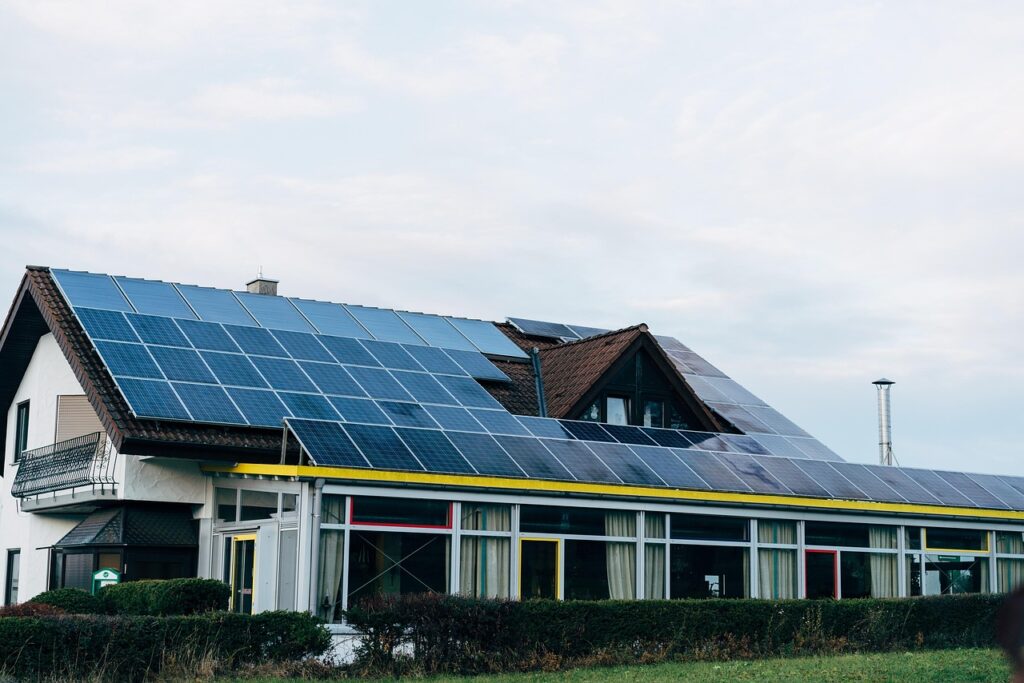
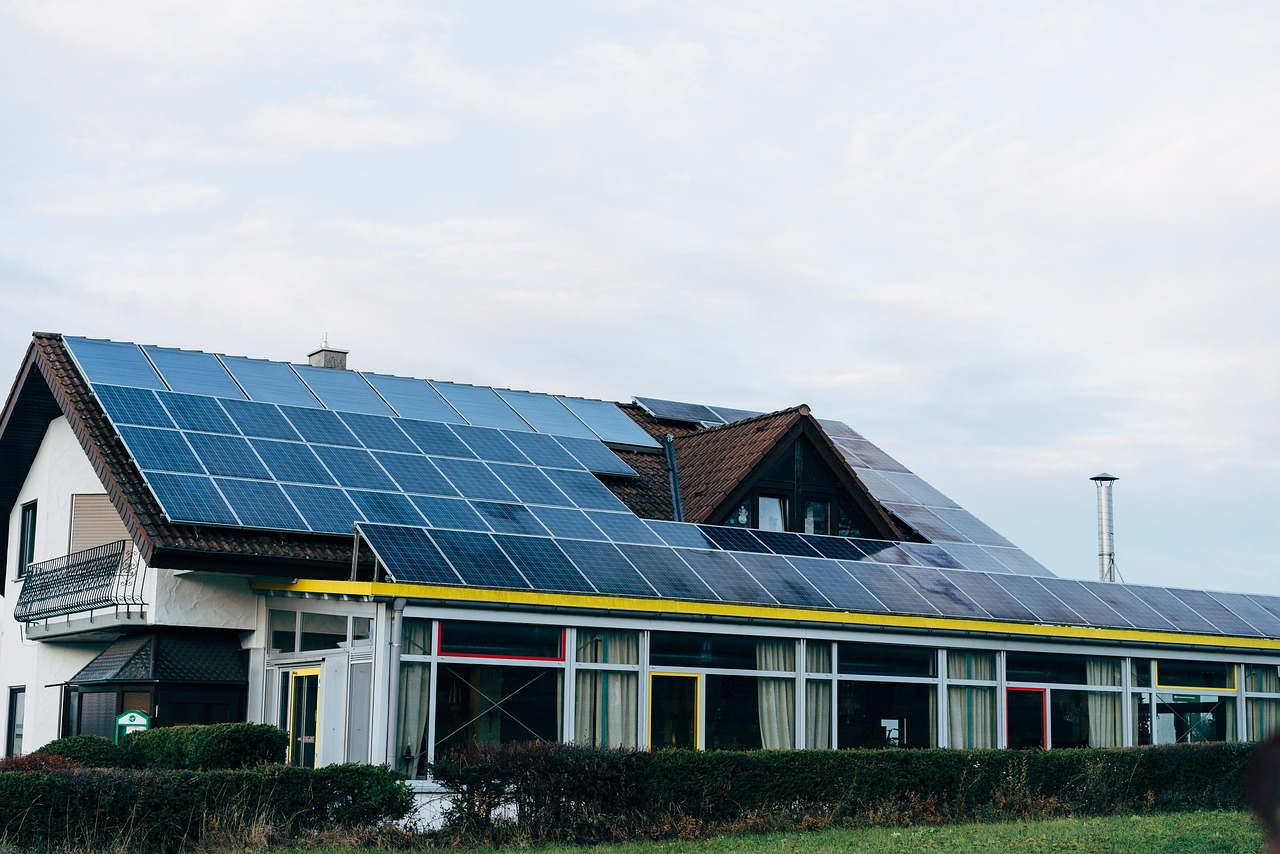
Sustainability is no longer a niche concern for homeowners in Hampshire. Rising energy costs, planning policy and buyer expectations are driving increased demand for energy efficient home design, particularly in and around Winchester.
What sustainable architecture means in practice
Sustainable design is not just about adding solar panels. Architects take a holistic approach that starts with orientation, layout and building fabric. This includes maximising natural daylight, reducing heat loss, improving ventilation and specifying materials with long term durability.
In Hampshire, this often means designing homes that respond to rural or semi rural settings while meeting modern performance standards.
Planning and sustainability in Winchester
Winchester planning policies increasingly support low energy design, but visual impact remains a key concern. An architect ensures that sustainability features such as glazing, shading and renewable technologies are integrated discreetly and sympathetically.
For extensions and renovations, architects can dramatically improve performance without altering the appearance of the property, which is especially important in conservation areas.
Long term benefits for homeowners
Energy efficient homes are cheaper to run, more comfortable to live in and more attractive to future buyers. Architectural design ensures sustainability measures are properly coordinated rather than added as afterthoughts.
If you are planning a project in Hampshire, working with an architect helps you achieve energy efficiency in a way that aligns with planning requirements and enhances your home.