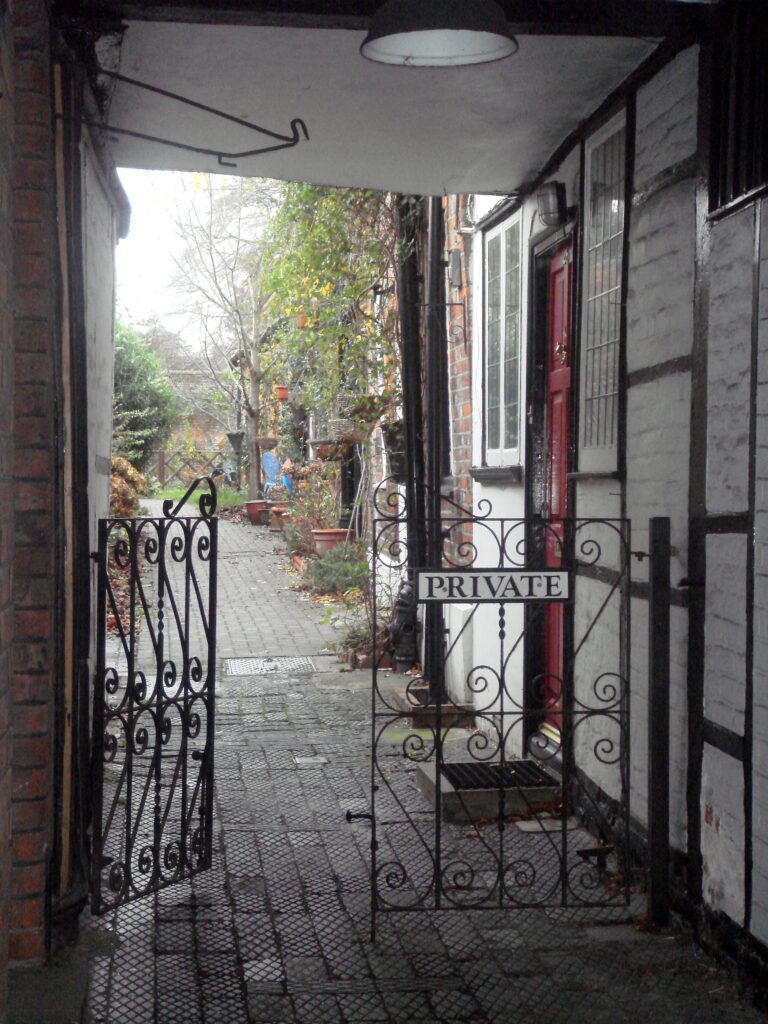
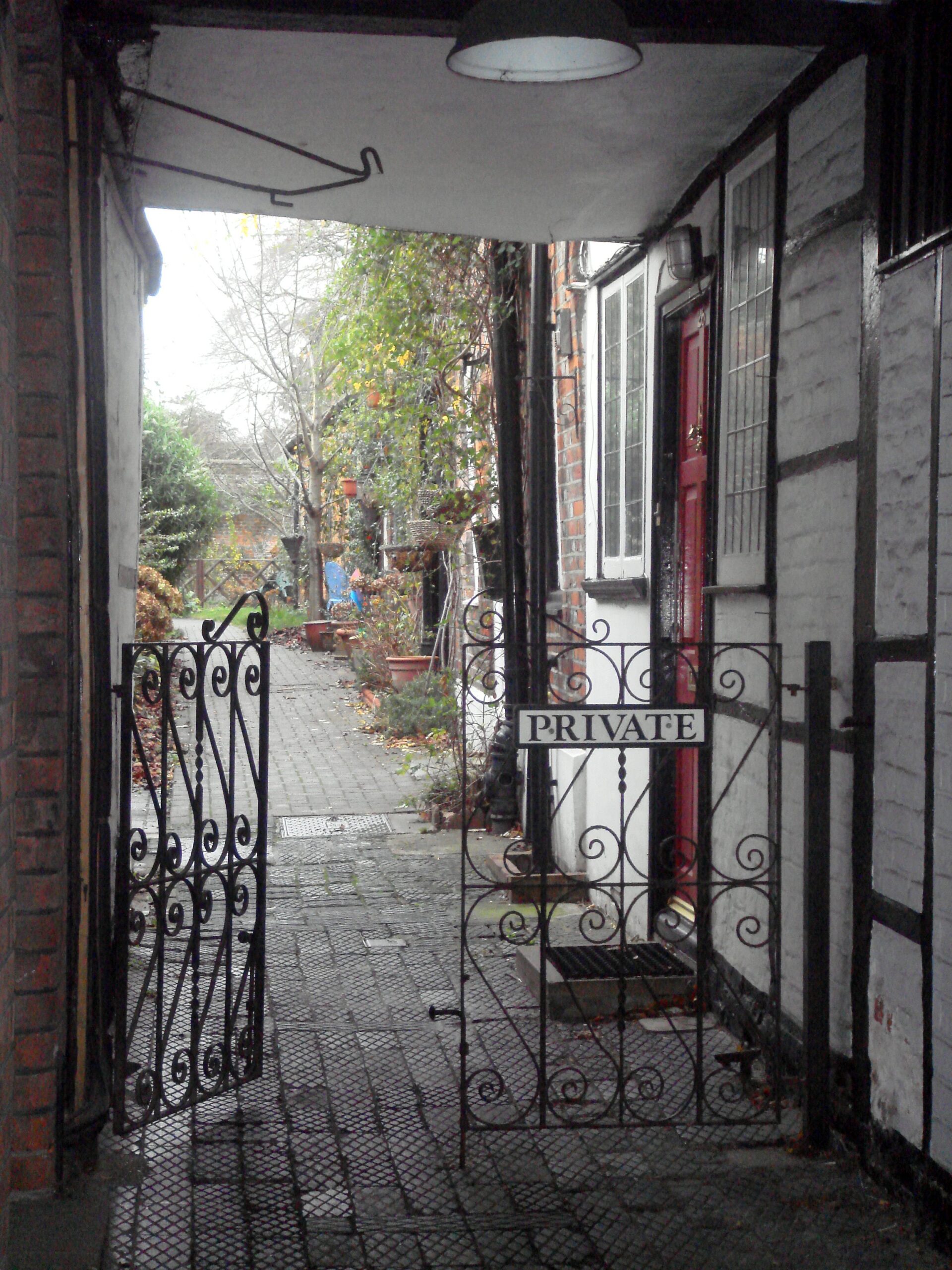
One of the first decisions when renovating or extending a home is choosing between a modern or traditional architectural style.
But which suits your property; and the surrounding area?
Here’s a breakdown for homeowners across Hampshire, from Bishop’s Waltham to Farnborough.
🏡 Traditional Design: Warmth, Character & Charm
Best suited for:
- Period homes (Victorian, Edwardian, Georgian)
- Rural or conservation areas (e.g. Twyford, Stockbridge, Hambledon)
Features include:
- Pitched roofs, brickwork, sash windows
- Symmetry and balance
- Timber detailing and natural materials
Pros:
- Timeless appeal
- Easily accepted in planning applications
- Complements Hampshire’s heritage-rich towns
Cons:
- May lack modern layout efficiency
- Harder to adapt to new tech without careful design
🧱 Modern Design: Clean Lines & Open Spaces
Best suited for:
- New builds or post-war homes
- Urban areas like Whitehill, Eastleigh, and Lymington
Features include:
- Flat or low-pitch roofs
- Large glazing, minimalist interiors
- Open-plan layouts and seamless indoor-outdoor flow
Pros:
- Excellent for light, energy-efficiency and tech integration
- Often easier to extend and reconfigure
- Suits contemporary family life
Cons:
- May face planning pushback in historic areas
- Can feel stark if not well balanced
🤝 Blending the Two
Many Hampshire homes benefit from modern interventions on traditional structures, think:
- Oak-framed garden rooms
- Zinc-clad extensions on brick cottages
- Glass links connecting old and new
A local architect can help balance respect for heritage with modern living needs.
Final Tip
Let your property (and its surroundings) guide your choice. In Hampshire, the smartest designs often combine traditional character with modern functionality.